At a time when many rural areas across Europe are facing demographic decline, centralisation of services, economic restructuring, and growing political frustration, one question becomes increasingly important: who speaks for rural communities, and how do rural people organise to shape their own futures?
A newly published scientific article in Land explores this question through the lens of Rural Movements (RMs) and Rural Parliaments (RPs). While these initiatives have spread across Europe during the last decades, surprisingly little academic research has examined their broader significance. Much of the existing literature has focused on individual countries or specific events. Our article seeks to provide a wider European perspective by bringing together insights from academic literature and practitioner experiences from across the continent.
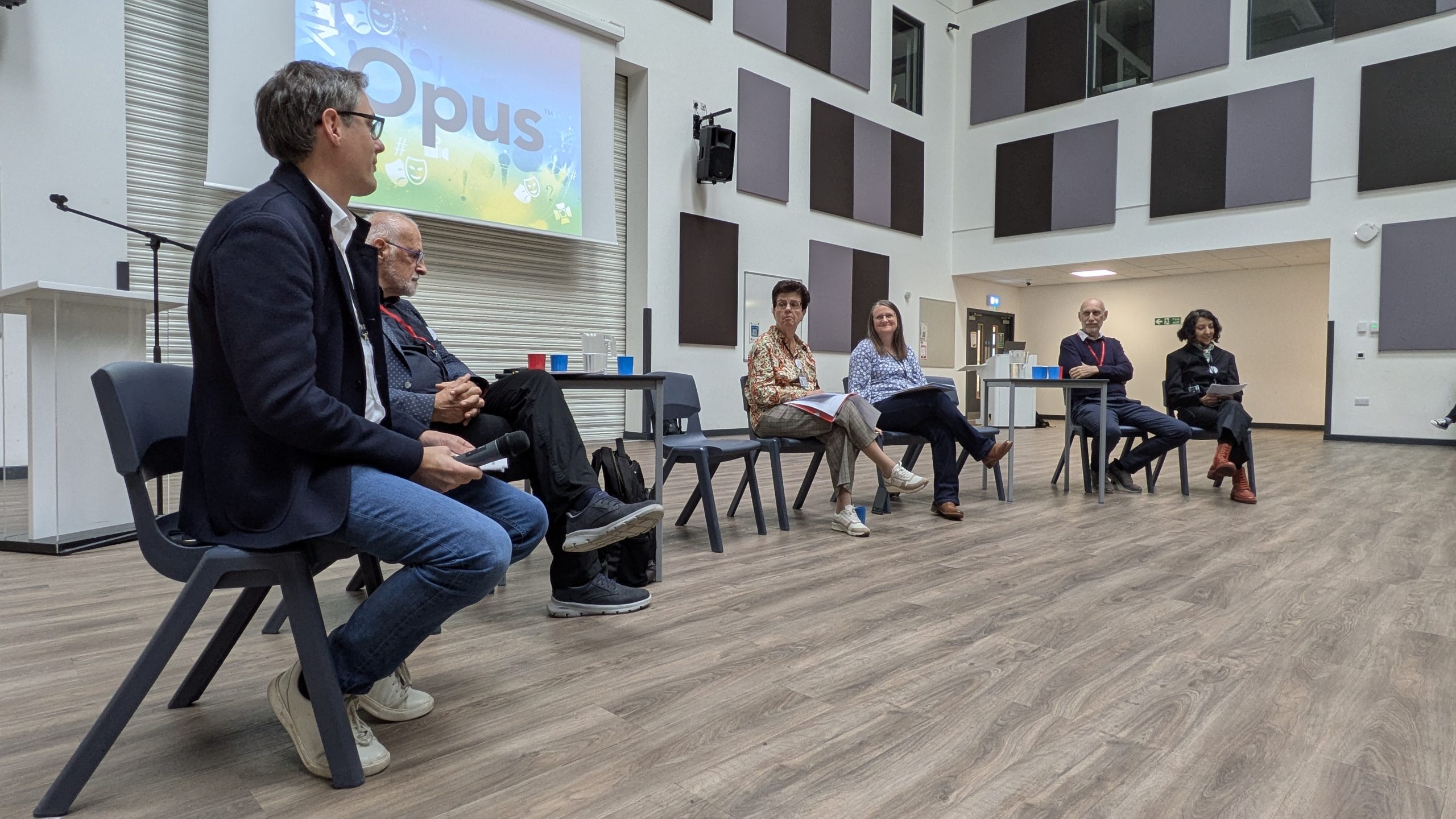
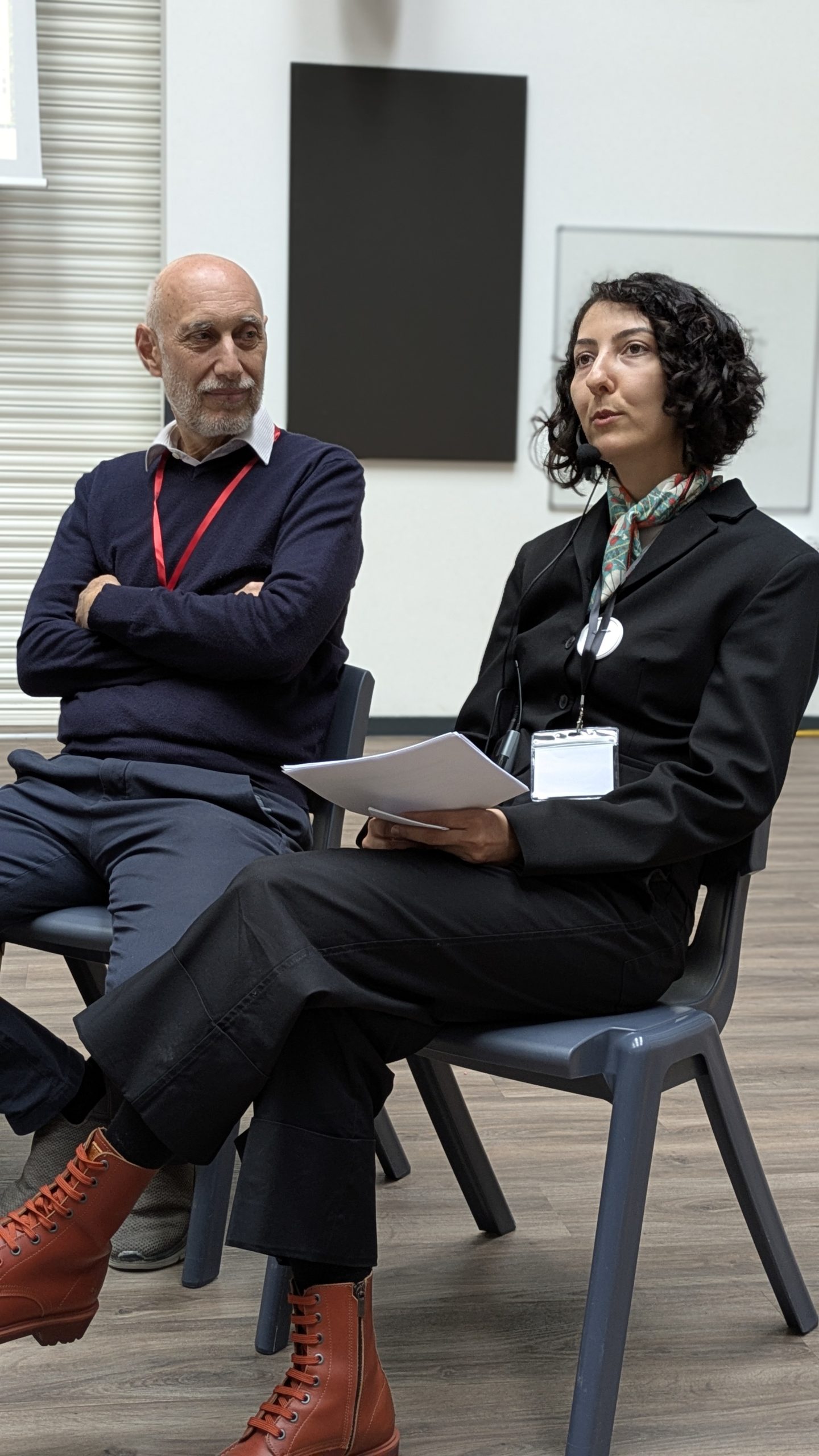
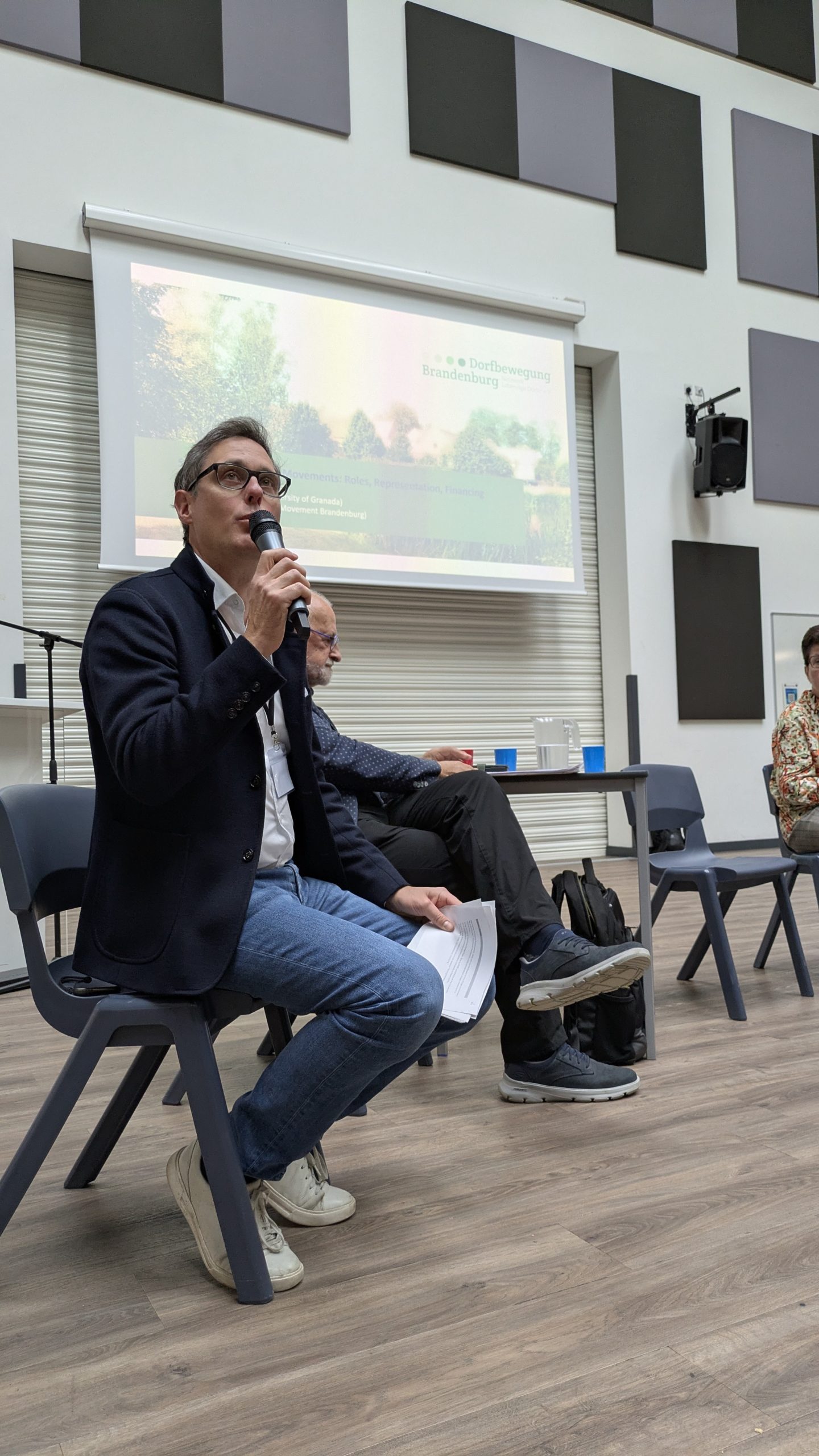
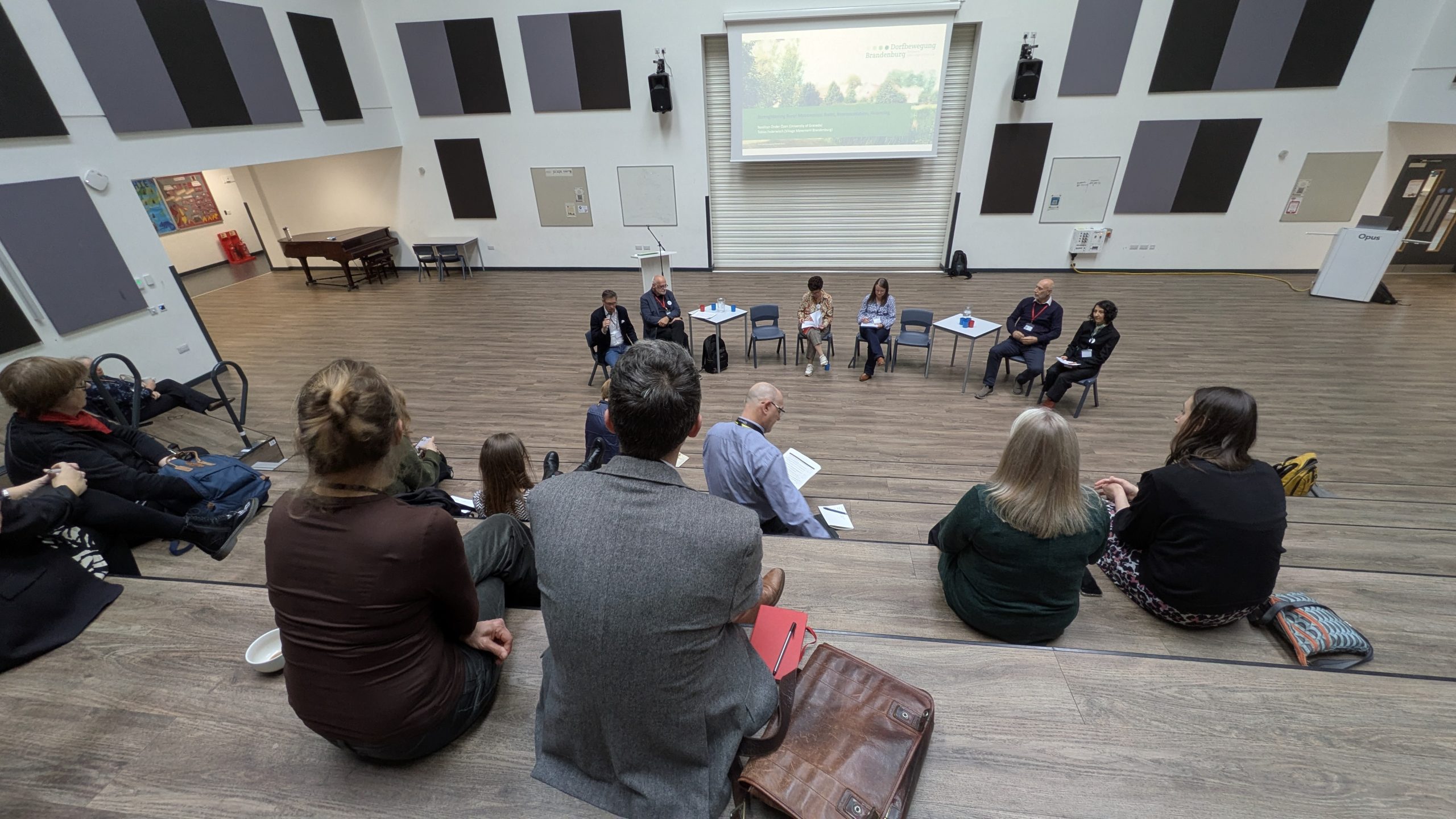
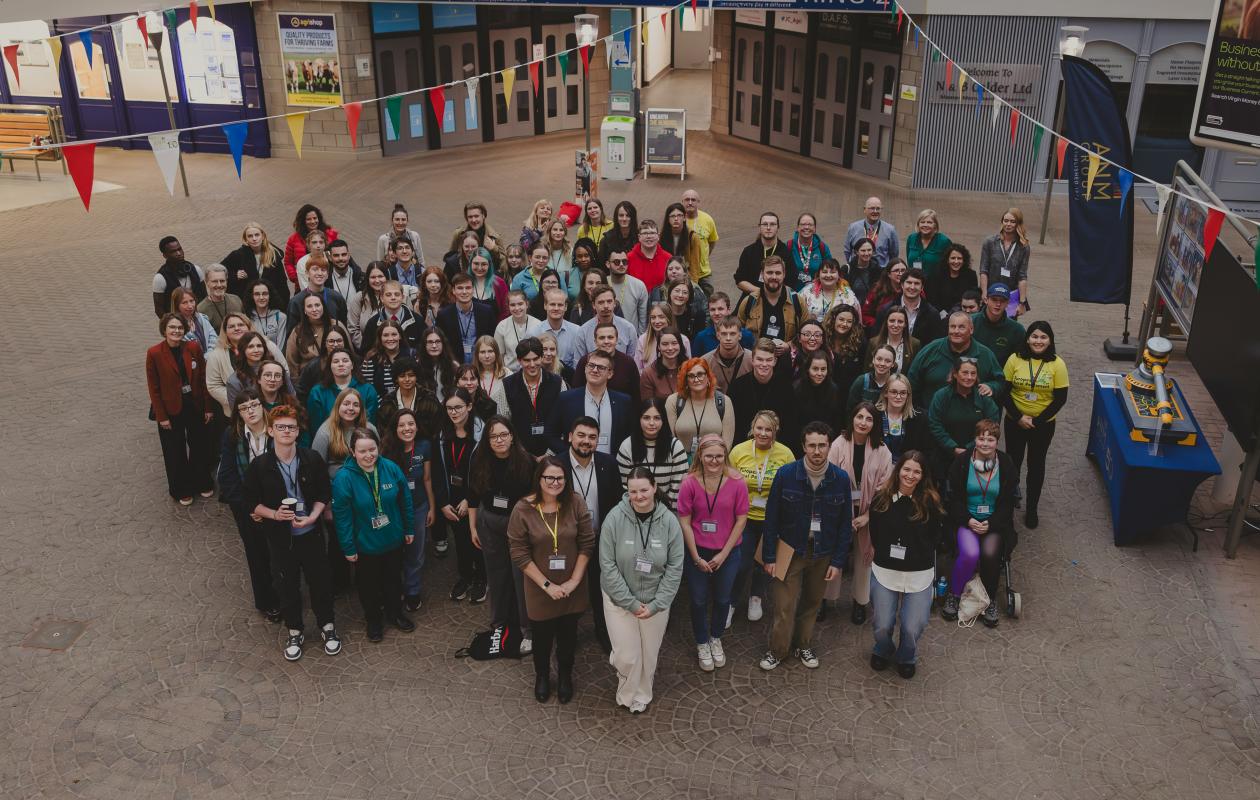
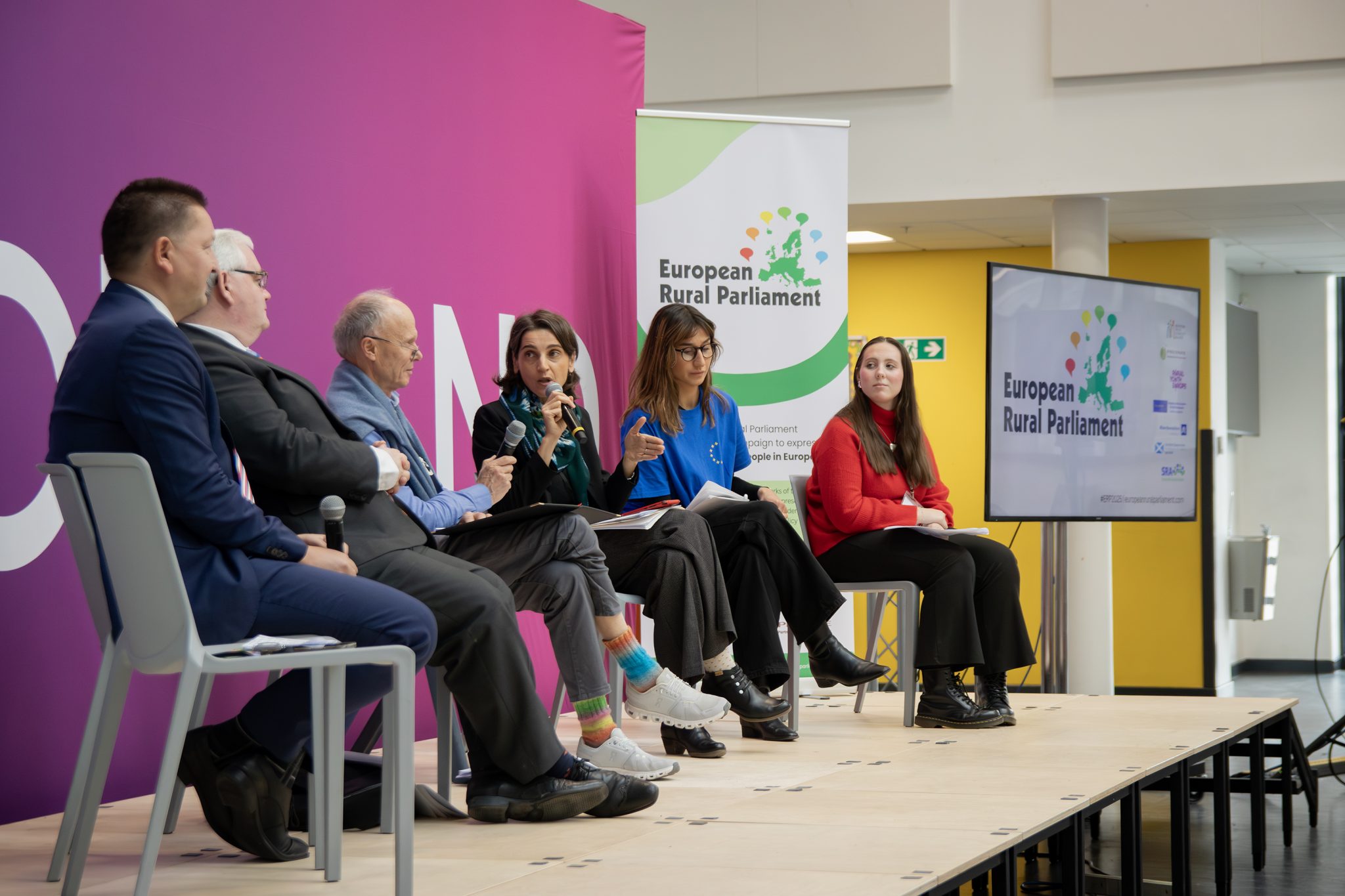
Importantly, part of the empirical foundation of the article emerged directly from the 6th European Rural Parliament in Inverurie, Scotland, in October 2025. During the event, two workshops on the development and professionalisation of rural movements brought together representatives from Sweden, Finland, Estonia, the Netherlands, Scotland, Slovenia, Albania, and Germany. The discussions provided valuable insights into how movements emerge, grow, organise themselves, and respond to contemporary challenges.
The article argues that Rural Movements and Rural Parliaments should not be viewed merely as advocacy structures or networking platforms. Rather, they are important actors shaping what we describe as the socio-political dimensions of rural landscapes. Through community mobilisation, agenda-setting, identity-building, and engagement with policymakers, they actively contribute to the ways rural places are governed, experienced, and imagined.
Across Europe, many movements share remarkably similar origins. They often emerge in response to perceived absences: the loss of public services, declining political representation, insufficient investment, or a weakening sense of local control. Yet over time, many evolve beyond reacting to problems. They become spaces where rural communities develop new ideas, build partnerships, promote participation, and articulate positive visions for the future.
The research highlights four interconnected roles played by Rural Movements and Rural Parliaments:
- Agents of social innovation, creating new ways for communities to organise and solve collective challenges.
- Arenas for identity preservation and reinvention, helping communities maintain cultural heritage while adapting to contemporary realities.
- Infrastructures of democratic renewal, enabling participation, civic learning, and dialogue between citizens and decision-makers.
- Navigators of professionalisation, balancing grassroots values with the organisational capacities needed to secure funding, influence policy, and sustain long-term impact.
One of the most interesting findings concerns the challenge of professionalisation. Rural movements increasingly recognise the need for skilled coordination, advocacy, fundraising, and communication. At the same time, participants repeatedly stressed the importance of remaining rooted in local communities and avoiding dependency on political or financial interests. As one workshop participant suggested, professionalisation should not mean becoming less grassroots, but becoming better equipped to support grassroots action.
The workshops identified a number of factors that either support or hinder this process. Figure 1 summarises the key findings. Strong local ownership, strategic networking, dedicated staff or volunteers, effective capacity-building, and political and financial independence emerged as important enabling conditions. Conversely, centralisation, weak infrastructure, democratic deficits, funding instability, volunteer burnout, and fragmented coordination were frequently identified as barriers to movement development.
The figure below summarises these factors and illustrates the delicate balance that many movements seek to achieve between community-rooted action and wider political engagement.
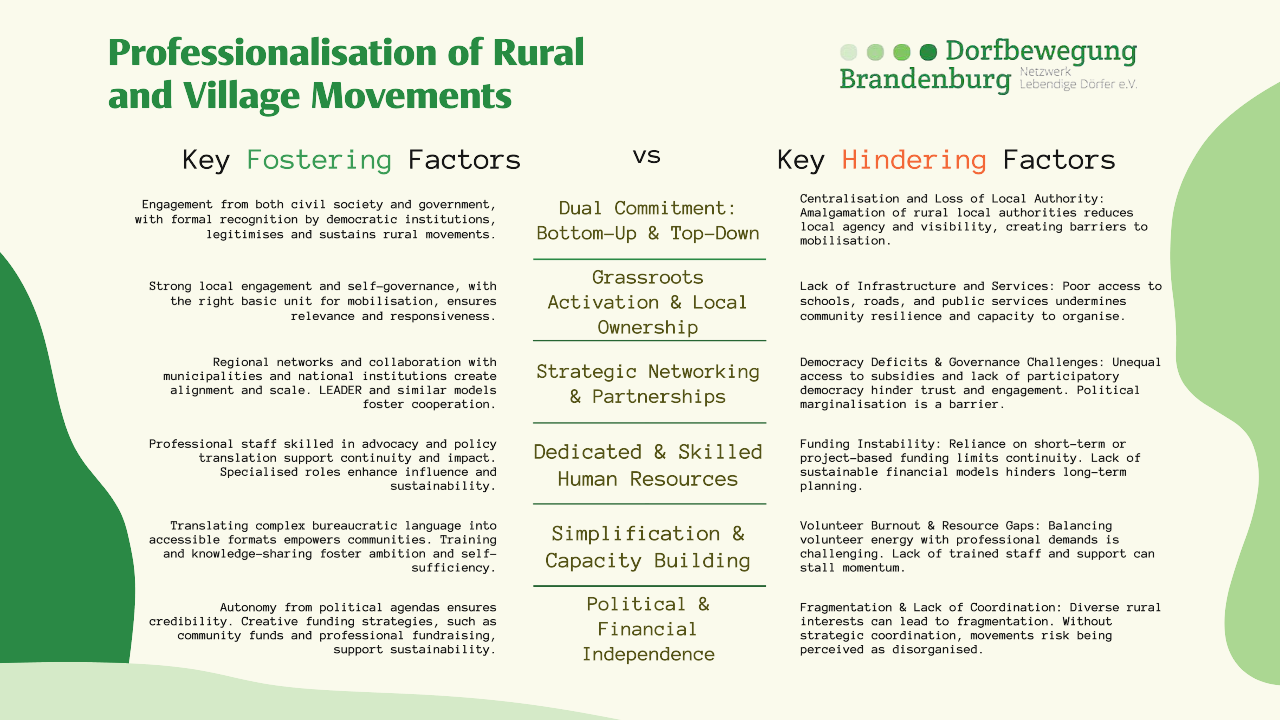
Professionalisation of Rural and Village Movements
The article concludes that Rural Movements and Rural Parliaments represent an important yet still under-researched dimension of rural governance in Europe. They offer promising pathways for strengthening participation, building social innovation, and ensuring that rural transformation is shaped not only by governments and institutions, but also by rural citizens themselves.
Read the full article
The open-access article is available here:
Adam-Hernández, A., Önder-Özen, N., Storie, J. T., Federwisch, T., & Born, K. M. (2026). Rural Movements and Parliaments in Europe as Agents of Socio-Political Landscapes: Social Innovation, Identity Re-Creation, Democratic Renewal and Professionalisation in Times of Rural Transformation. Land, 15(11), 2080.
We warmly invite members of Rural Movements, Rural Parliaments, rural networks, researchers, and policymakers to read, share, and discuss the article. We hope it contributes to raising the visibility of rural civil society across Europe and encourages further research into this important field.